

Published: June 2022 | Last Updated: May 2026
Choosing the right gift for an elderly loved one in a nursing home can help them feel more comfortable, connected, and supported during a significant life transition. Some of the most thoughtful gifts for nursing home residents include family photo albums, soft blankets, flowers or indoor plants, audiobooks, large-print books, adaptive clothing, pamper gifts, games, puzzles, memory boxes, craft activities, and personalised calendars.
The best gift ideas are small enough for a nursing home room, easy to use, safe for the person’s health and mobility needs, and meaningful to their daily routine. Before buying food, electrical items, plants or room decorations, it is worth checking the nursing home’s rules so the gift is suitable for the resident and the care environment.
Table of Contents
What Makes a Good Gift for an Elderly Person in a Nursing Home?
A good gift for someone in a nursing home is practical, comforting, personal and easy to keep in a smaller room. The best options support daily comfort, connection with family, hobbies, independence or gentle activity. Before choosing a gift, think about the resident’s routine, room size, mobility, eyesight, memory, health needs and personal preferences. It’s also a good idea to check with the nursing home before buying a gift, as there may be rules about like electrical items, decorations, food, or plants.
- Easy to use without constant staff help
- Easy to label with the resident’s name
- Suitable for a smaller room or shared space
- Practical without feeling clinical
- Safe for mobility, eyesight, memory or health needs
- Allowed by the nursing home’s rules
- Easy to clean, store or maintain
| If your loved one needs… | Consider… |
| More comfort | Blankets, robes, slippers, pamper kits |
| More connection | Photo albums, digital frames, personalised calendars |
| Gentle activity | Puzzles, activity books, audiobooks, cards |
| Dementia-friendly support | Memory boxes, familiar photos, simple sensory items |
| Practical daily help | Adaptive clothing, organisers, easy-grip items |
| A more homely room | Small decorations, plants, family artwork |
Families often choose gifts during a wider transition, such as moving a parent into residential care, downsizing a home or deciding which belongings should move with them. In those moments, the most meaningful gifts are often familiar, practical items that help the new room feel less temporary and more personal.
What Gifts Should You Avoid Bringing to a Nursing Home?
Not every gift is suitable for a nursing home environment. In general, it’s best to avoid:
- Large furniture or bulky decorations
- Valuable jewellery or expensive items
- Strongly scented candles or fragrances
- Complicated technology
- Fragile items that could break
- Foods that don’t comply with dietary requirements
- Loose rugs, trailing cords or items that could create a trip hazard
Before buying food, electrical items, candles, plug-in diffusers, flowers, plants or large room decorations, check with the nursing home. Some facilities may have rules about infection control, allergies, food storage, electrical safety, room size or items that could create a trip hazard
Quick Gift Comparison Table
| Gift idea | Best for | Check first |
| Flowers or indoor pots | Brightening the room | Plant rules, allergies, maintenance |
| Soft blanket or quilt | Warmth and comfort | Washability and labelling |
| Family photos | Connection and memory | Available display space |
| Large-print books | Quiet reading | Device simplicity |
| Adaptive clothing | Daily comfort | Sizing and dressing needs |
| Pamper kit | Personal care | Fragrance sensitivity |
| Baked goods | Sharing a visit | Dietary requirements |
| Games and puzzles | Mental stimulation | Dexterity and frustration level |
| Memory box | Dementia-friendly connection | Safe contents and storage |
| Audiobooks | Relaxation and accessibility | Device simplicity |
18 Best Gifts for Elderly People
The best gifts for nursing home residents are usually small, practical, comforting and easy to use in a shared care environment. The ideas below are grouped by purpose, including comfort gifts, personal keepsakes, activity gifts, room-friendly gifts, food-based gifts and dementia-friendly options, so you can choose something that suits your loved one’s needs, space and daily routine.
Comfort Gifts
1. Soft Blankets and Quilts

- Best for: Warmth, comfort and making a room feel more personal.
- Check first: Washability, labelling and whether it could create a trip hazard.
A soft blanket or quilt is one of the most practical gifts for a nursing home resident. Choose something lightweight, washable and easy to label with the resident’s name. Handmade quilts can feel especially meaningful because they carry a sense of home and family.
2. Adaptive Clothing
- Best for: Comfort, dignity and easier dressing.
- Check first: Sizing, fastening style, washing instructions and the person’s mobility needs.
Adaptive clothing is designed to make dressing easier for older people with mobility issues, arthritis or limited dexterity. Shirts with simple fastenings, soft robes, non-slip socks and easy-to-wear garments can support daily comfort while helping the person feel neat and put together.
3. Pamper Kits
- Best for: Everyday comfort, personal care and small daily routines.
- Check first: Fragrance sensitivity, skin conditions and whether products are suitable for the resident.
A simple pamper kit can include hand cream, lip balm, gentle moisturiser, nail files or a soft face washer. Mild, familiar products are usually better than strongly scented items. Small care routines can help someone feel comfortable, cared for and more like themselves.
4. Comfortable Slippers or Non-Slip Socks

- Best for: Warmth, comfort and safer movement around the room.
- Check first: Fit, grip, facility preferences and whether the person needs specialist footwear.
Comfortable slippers or non-slip socks can be a useful gift, especially for residents who feel the cold or spend a lot of time in their room. Choose options with a secure fit and good grip. If your loved one has balance issues, swelling or specific foot-care needs, check with staff first.
Personal and Memory Gifts
5. Family Photos

- Best for: Connection, memory and making the room feel familiar.
- Check first: Display space, frame safety and whether a digital frame will be easy to use.
Family photos are one of the simplest ways to help someone feel connected to the people and moments that matter most. This could be a framed photo, small album, personalised photo book or digital frame. For digital frames, choose one that can be updated remotely and does not require the resident to manage complicated settings.
6. Personalised Calendars
- Best for: Routine, familiar faces and important dates.
- Check first: Wall or desk space and whether the print is large enough to read.
A personalised calendar with family photos, birthdays and important dates can bring daily comfort and help with orientation. It is especially useful when the layout is simple, the text is large and the images are meaningful to the resident.
7. Memory Boxes
- Best for: Reminiscence, conversation and dementia-friendly connection.
- Check first: Safe contents, storage space and whether any items are fragile or valuable.
Memory boxes can be especially meaningful for people living with dementia. A small box filled with familiar photos, letters, postcards, keepsakes or safe personal items may help spark conversation and provide comfort. Choose items that are familiar, simple and unlikely to cause distress.
8. Personalised Stationery
- Best for: Writing, reflection and keeping in touch with family.
- Check first: Eyesight, hand strength and whether the person still enjoys writing.
Personalised journals, notepads, pens or writing sets can be thoughtful gifts for residents who enjoy writing letters, keeping notes or recording memories. Adding a name or initials makes the gift feel more personal without taking up much room.
Activity and Entertainment Gifts
9. Large-Print Books and Magazines
- Best for: Quiet reading, relaxation and routine.
- Check first: Eyesight, reading preferences and whether the book is easy to hold.
Large-print books are a good option for someone who enjoys reading but finds standard print tiring. Magazine subscriptions can also give residents something regular to look forward to. Choose topics they already enjoy, such as gardening, cooking, sport, craft, travel, history or crosswords.
10. Audiobooks
- Best for: Residents who enjoy stories but find reading difficult.
- Check first: Device simplicity, hearing needs and whether staff or family can help set it up.
Audiobooks can be a relaxing gift for residents who have vision changes, fatigue or difficulty holding books. They can be played through a simple speaker, tablet, phone or audiobook device. The best setup is one that your loved one can use easily without needing repeated help.
11. Games and Puzzles
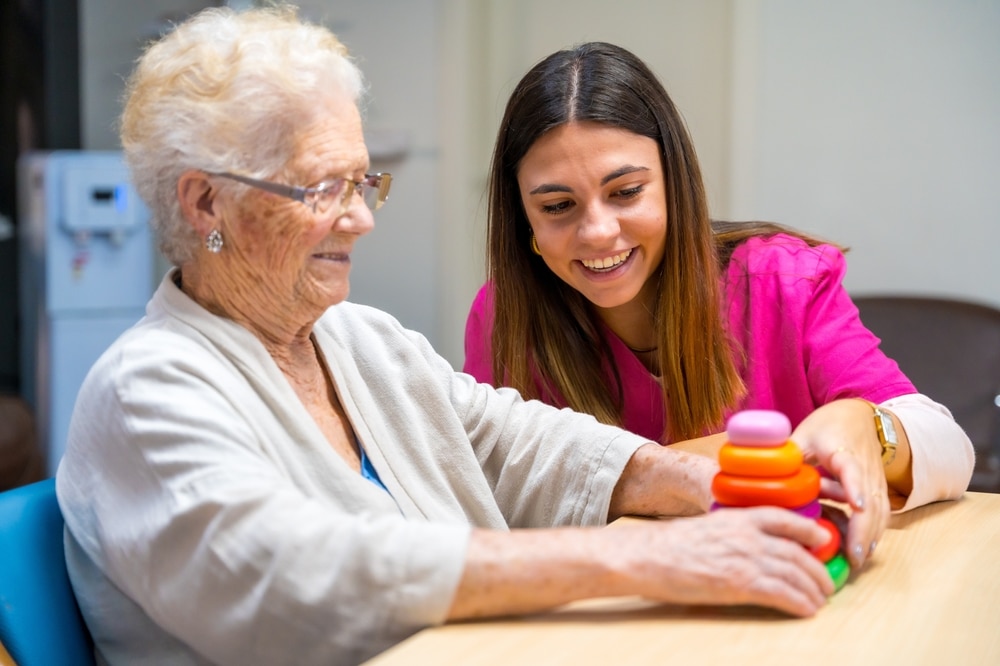
- Best for: Mental stimulation, social interaction and passing time enjoyably.
- Check first: Dexterity, eyesight, frustration level and whether pieces are easy to handle.
Games and puzzles are a great way to stay entertained and keep the mind ticking over. Things like playing cards, chess, checkers, or jigsaw puzzles can be done alone or with others, so they work well either way. They also help pass the time more engagingly and can be a good excuse to have a chat or share a bit of company.
12. Activity Books
- Best for: Independent activity, calm focus and daily routine.
- Check first: Print size, difficulty level and whether the person prefers words, numbers or colouring.
Crossword books, Sudoku, word searches and adult colouring books are inexpensive gifts that can provide gentle mental activity. They are also easy to store and can be used at the resident’s own pace. ARIIA and Dementia Australia both highlight the value of meaningful activities for people living with dementia and older people in care.
13. Model Construction Kits
- Best for: Hands-on hobbies, concentration and a sense of achievement.
- Check first: Small parts, eyesight, hand dexterity and whether the kit is too complex.
Model construction kits can be rewarding for residents who enjoy building, making or working with their hands. Choose simpler kits with larger pieces where possible. The aim is to provide enjoyment and satisfaction, not a task that feels difficult or stressful.
Room-Friendly Gifts
14. Flowers and Indoor Plants

- Best for: Brightening a room and making the space feel more homely.
- Check first: Plant rules, allergies, maintenance needs and available surface space.
Fresh flowers or low-maintenance indoor plants can make a nursing home room feel warmer and less clinical. Succulents and hardy indoor plants are good options because they do not need much care. A small plant or vase on a bedside table can add colour without taking up too much space.
15. Small Room Decorations
- Best for: Creating a familiar, personal space.
- Check first: Room rules, clutter, trip hazards and whether items are easy to clean.
Small decorations can help a nursing home room feel more like home. Consider cushions, family artwork, a small ornament, a favourite photo frame or a lightweight decorative item. Keep the room size in mind and avoid anything that creates clutter or makes it harder for staff to move safely around the room.
Food and Visit-Based Gifts
16. Home-Cooked Meals or Baked Goods
- Best for: Sharing time and bringing a familiar taste from home.
- Check first: Dietary requirements, allergies, swallowing needs, storage and facility food rules.
Home-cooked meals or baked goods can feel like a small reminder of home. Always check with the nursing home first, as there may be dietary, allergy, texture, storage or infection-control requirements. Often, the most meaningful part of the gift is not the food itself, but sitting together and sharing the visit.
Dementia-Friendly Gift Ideas
17. Robotic Companion Pets
- Best for: Gentle interaction, comfort and residents who miss having a pet.
- Check first: The person’s preferences, sensory needs and whether the item may cause confusion or distress.
Robotic companion pets may provide comfort and gentle interaction for some residents, especially those who enjoy animals but cannot care for a real pet. Many respond to touch or sound, which can make the interaction feel more natural. They will not suit everyone, so consider the person’s personality, dementia stage and response to unfamiliar objects.
18. Memory Games
- Best for: Gentle cognitive activity, social time and familiar conversation.
- Check first: Difficulty level, frustration risk, eyesight and whether the activity feels enjoyable.
Simple memory games, picture cards, matching activities and familiar word games can help some residents stay engaged. For people living with dementia, choose games that are simple, familiar and low-pressure. The goal is connection and enjoyment, not testing or correcting the person.
Need Help During a Nursing Home Transition?
If your family is choosing gifts because a loved one is moving into a nursing home, there may also be practical decisions to make at home. Complete Property Clearance can help with respectful property clearance, downsizing support and preparing a home during an aged-care transition, so your family can focus on supporting your loved one through the move.
FAQs: Gift Suggestions for the Elderly
Good gifts for people in a nursing home are practical, comforting, personal and suitable for a smaller room. Popular options include soft blankets, family photo albums, large-print books, audiobooks, puzzles, flowers, pamper kits and personalised calendars.
Avoid bulky furniture, valuable jewellery, candles, strong fragrances, fragile decorations, complicated technology and food that may not suit the resident’s dietary needs. It is also best to check with the nursing home before bringing electrical items, plants or anything that could create a safety risk.
Personalised gifts can be especially meaningful because they connect the resident to family, memories and familiar routines. Good examples include labelled blankets, photo calendars, memory books, framed family photos and personalised stationery.
Affordable gift ideas include puzzles, flowers, magazines, warm socks, framed photos, hand cream, stationery and activity books. The most thoughtful gifts are often personal and useful rather than expensive.
Practical gifts can still feel thoughtful and personal. Popular practical gifts for elderly people include comfortable slippers, adaptive clothing, warm blankets, large-print books, a reading light, and organisers or storage baskets. The best practical gifts help make daily life easier while supporting comfort and independence.
Thoughtful gifts can make a nursing home room feel more familiar and personal. They can also support comfort, routine, independence, hobbies and connection with family, especially during the adjustment period after moving into care.
Suitable gifts for dementia patients are usually familiar, simple and low-frustration. Memory boxes, family photo books, personalised calendars, robotic companion pets, sensory items and simple puzzles may be helpful, depending on the person’s preferences and stage of dementia.
Yes. It is a good idea to check with the nursing home before buying food, electrical items, plants, scented products, large decorations or anything that may affect safety, infection control or the resident’s care needs.
About the Author
This article was written by Jude Morton, an experienced property professional specialising in styling, management, and renovation. With qualifications as a Property Manager, Real Estate Agent, and Buyer’s Agent, Jude has managed high-value properties and brings practical, real-world insight to preparing homes for sale.
Connect with Jude: LinkedIn
Disclaimer
This article provides general gift ideas and practical guidance for families choosing gifts for elderly loved ones or nursing home residents. Every resident’s health, mobility, dietary needs, room setup and care environment may be different. Before bringing food, electrical items, plants, scented products or large room decorations into a nursing home, check with the facility or care team first.
Trusted Sources
The information in this guide is supported by Australian aged care guidance and research relating to elderly wellbeing, dementia support, and quality of life in residential care settings, including:
- Aged Care Quality and Safety Commission – guidance on supporting the well-being, dignity, and quality of life of older Australians in aged care: Aged Care Quality and Safety Commission
- Dementia Australia – activities and engagement ideas for people living with dementia, including memory support and meaningful social connection: Activities for People With Dementia
- Australian Government Department of Health and Aged Care – information about the role of the Aged Care Quality and Safety Commission: Aged Care Quality and Safety Commission Information
- Royal Commission into Aged Care Quality and Safety – background and recommendations relating to aged care reform in Australia: Royal Commission Into Aged Care Quality and Safety
- ARIIA (Aged Care Research & Industry Innovation Australia) – evidence-based resources relating to activities and wellbeing for people living with dementia: Activities for People With Dementia – ARIIA