

Published: July 2023 | Last Updated: June 2026
Looking for fun and easy craft ideas for seniors? The best craft activities for seniors are simple, affordable, and adaptable to different abilities. Common choices include handmade greeting cards, scrapbooking, painted plant pots, knitting, crochet, and colouring books. These crafts can help seniors stay engaged, practise fine motor skills, relax and connect with others, whether they are completed at home, in retirement living, in supported care or in a nursing home.
The most suitable craft projects are easy to adapt for eyesight, dexterity, arthritis, memory changes and different levels of confidence. For many people, craft and other enjoyable activities for seniors are about more than simply creating something. They provide a chance to keep the mind engaged, maintain hand coordination, enjoy a sense of relaxation, and spend quality time with others.
This guide shares 20 fun and easy craft ideas for seniors, along with the benefits of crafting and tips for choosing activities that are engaging, accessible, and suited to different ability levels.
Table of Contents
- Quick Summary: Best Craft Projects for Seniors
- Quick Comparison: Popular Crafts for Seniors
- Why Are Craft Activities for Seniors Beneficial?
- What Should You Look for in Crafts for the Elderly?
- 20 Fun and Easy Craft Activities for Seniors
- Dementia-Friendly Crafts for Senior Citizens
- Essential Craft Supplies for Seniors
- FAQs: Craft Ideas for Seniors
Quick Summary: Best Craft Projects for Seniors
Below is a quick summary of the most common simple, enjoyable craft projects for seniors to get started with.
- Handmade greeting cards
- Scrapbooking
- Pressed flowers
- Painting plant pots
- Decorating picture frames
- Painted rocks
- Colouring books
- Quilting
- Knitting and crochet
- Suncatchers
- Terrariums
Quick Comparison: Popular Craft Ideas for Seniors
This comparison of craft ideas for seniors makes it easier to find suitable options based on skill level and cost.
| Craft Activity | Difficulty | Cost | Best For | Adaptation Tip |
| Colouring Books | Very easy | Low | Relaxation | Choose large-print patterns and thicker pencils. |
| Greeting Cards | Easy | Low | Beginners | Use pre-cut shapes, stickers and large stamps. |
| Painted Rocks | Easy | Low | Group activities | Use larger rocks and easy-grip brushes. |
| Terrariums | Easy | Medium | Nature lovers | Use wide containers and low-maintenance plants |
| Suncatchers | Easy | Low | Decorative projects | Use simple templates and pre-cut shapes. |
| Scrapbooking | Medium | Low-medium | Preserving memories | Sort photos into small batches first. |
| Knitting | Medium | Medium | Long-term hobbies | Use larger needles and softer yarn. |
| Quilting | Medium-advanced | Medium | Creative storytelling | Start with small memory squares or lap quilts |
Why Are Craft Activities For Seniors Beneficial?
Many people enjoy craft activities not only for the creative aspect but also for the sense of purpose, routine, and connection they provide.
Brain Stimulation
Crafting promotes problem-solving, creativity, concentration, and learning new skills. Activities that involve following instructions or designing something from scratch help keep the mind active and engaged. Learning a new knitting pattern or creating a scrapbook page frequently involves planning, decision-making, and memory recall, all of which help keep the brain engaged. For seniors living with dementia, simple craft activities can also help maintain routine, encourage conversation, and support a sense of identity. Dementia Australia also notes that suitable activities can help people with dementia stay connected and engaged.
A Greater Sense of Purpose
Retirement and other life changes can disrupt familiar routines and leave a gap where daily responsibilities once were. Craft projects offer a meaningful focus, with the satisfaction of seeing steady progress and a finished result. Whether it’s quilting, knitting or making items for charity, many seniors find these activities both enjoyable and rewarding. Creating handmade gifts for family and friends can make the experience even more meaningful.
Opportunities to Give Back
Many craft projects can be shared with others, whether as gifts for family and friends or donations to local charities and community organisations. Items such as blankets, beanies, toys and handmade cards are often welcomed by hospitals, animal shelters and support groups. For many seniors, contributing to these causes adds an extra sense of purpose to their creative pursuits.
Supporting Physical Health
Doing things like cutting, painting, sewing, knitting or arranging materials helps keep the hands busy and can support everyday coordination and dexterity. In some cases, these activities are also used as part of rehabilitation under the guidance of a healthcare professional.
Building Social Connections
Crafting is often more enjoyable when it’s shared. Group sessions give people a chance to meet others, spend time with family and reduce feelings of isolation, which is an important wellbeing consideration for many older Australians. Many retirement villages and community centres run regular craft groups for this reason, where conversation tends to happen naturally while people work on their projects. Similar activities are also used in aged care settings to help support engagement and a sense of connection.
Reducing Stress
Creative hobbies can provide a welcome break from everyday worries. Many seniors find activities like colouring, knitting or paint-by-numbers especially calming because of their repetitive, steady nature. Many seniors find creative activities calming because they provide a steady task to focus on in the moment.
How Different Crafts Support Wellbeing
Different craft activities support seniors in different ways. Some are calming and repetitive, while others encourage memory, conversation, hand movement or a sense of purpose.
| Benefit | Example Activities | Why They Help |
| Brain stimulation | Scrapbooking, quilting, terrariums | Encourage planning, memory, decision-making and creativity. |
| Fine motor skills | Knitting, crochet, painting | Involve gentle hand movement, grip and coordination. |
| Stress reduction | Colouring books, painting, paper flowers | Provide a calm, repetitive focus. |
| Social connection | Craft groups, paint and sip sessions | Create a shared activity that encourages conversation. |
| Sense of purpose | Charity knitting, handmade gifts | Give people something meaningful to complete or share. |
What Should You Look for in Crafts For the Elderly?
The best craft projects for seniors are those that are easy to adapt to different abilities, comfortable to do without strain, and don’t require much expense or special equipment. They should work just as well as a solo activity as they do in a group, and most importantly, be enjoyable and leave a sense of satisfaction.
It’s important to choose activities that suit the person’s interests as well as their mobility, eyesight and dexterity. For example, someone with arthritis might prefer simpler options like colouring books or collage work, while someone with sewing experience may enjoy quilting or crochet. When choosing craft ideas for seniors, consider:
- Eyesight: Use large-print patterns, strong colour contrast and good lighting.
- Dexterity: Choose larger tools, easy-grip brushes and pre-cut materials where helpful.
- Arthritis or hand pain: Avoid long sessions or crafts that require tight gripping.
- Dementia or memory changes: Keep instructions simple and focus on enjoyment, not perfection.
- Mess and clean-up: Choose low-mess projects for nursing homes, shared rooms or small spaces.
- Supervision: Avoid sharp tools, hot glue or strong scents unless support is available.
- Personal interests: Choose activities connected to hobbies, family memories, gardening, art, music or past work.
20 Fun and Easy Craft Activities For Seniors
Art and Memory Crafts
1. Handmade Greeting Cards
Best for: Beginners, family connection and low-cost craft sessions.
Difficulty: Easy.
Adaptation tip: Use pre-cut card, stickers, large stamps or simple templates for anyone with limited dexterity.
Handmade cards are a simple and versatile craft activity. They can be customised for birthdays, holidays, thank-you notes, or special occasions using paints, stamps, stickers, collages, or printed templates. They’re also an excellent way to stay connected with family and friends while creating something meaningful.
2. Scrapbooking
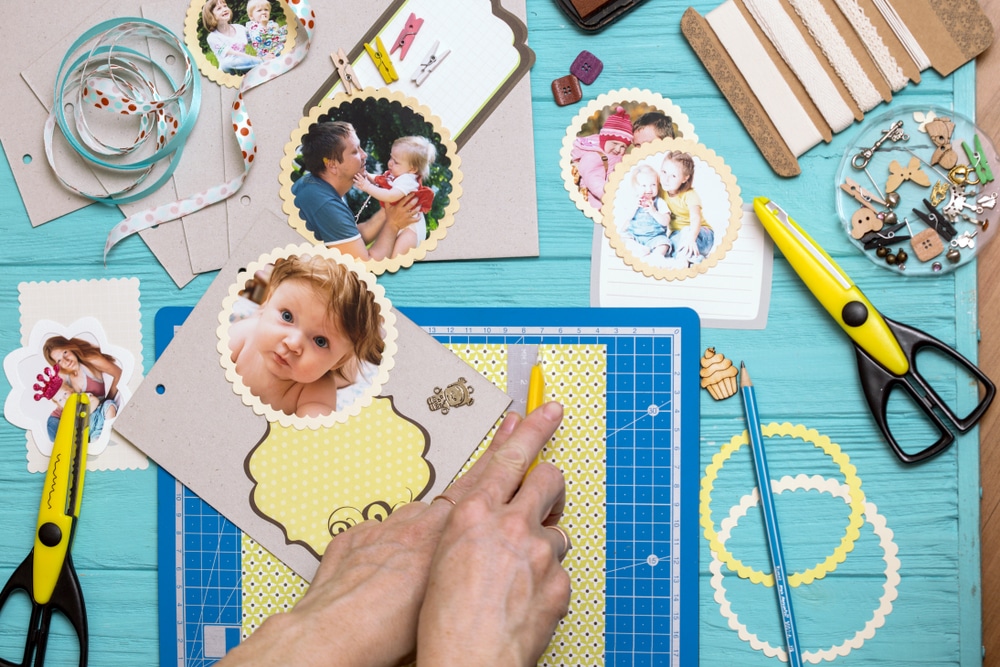
Best for: Preserving memories, family storytelling and seniors who enjoy looking through photos.
Difficulty: Easy to medium.
Adaptation tip: Sort photos into small batches first, and use larger pages, photo corners or pre-cut paper to reduce fiddly handling.
Scrapbooking brings together creativity and storytelling. Photos, magazine cut-outs, notes and keepsakes can all be used to build pages that hold onto memories and mark important life events. For seniors who are downsizing or sorting through family belongings, it can also be a meaningful way to reminisce by preserving treasured photos and moments.
Real-life example: After downsizing a family home, old photo albums and boxes of loose photographs often resurface. Turning them into a scrapbook can become a steady weekly activity and a helpful way to revisit family memories.
Crafts can be especially meaningful during life transitions such as downsizing, moving into care or sorting through family belongings. Photos, keepsakes, fabrics and cards can be turned into memory books, collages or small display pieces rather than being packed away or discarded.
3. Collages
Best for: Beginners, group activities and seniors who prefer flexible, no-pressure projects.
Difficulty: Easy.
Adaptation tip: Use larger paper pieces, pre-cut images or themed picture packs for seniors who find cutting difficult.
Collages are easy to adapt for different skill levels and can be completed individually or as a group project. They can be created using magazines, newspapers, photographs, fabrics, or decorative paper. There are no strict rules, making collages ideal for beginners.
4. Decorating Picture Frames
Best for: Personalised gifts, memory displays and family photo projects.
Difficulty: Easy.
Adaptation tip: Use stickers, foam shapes, wide brushes or pre-cut decorations instead of small beads or fiddly pieces.
Decorating picture frames is a simple way for seniors to personalise family photos. Frames can be painted, covered with decorative paper, or finished with different craft materials. Once complete, they usually become a meaningful display piece in the home.
5. Painting Sessions
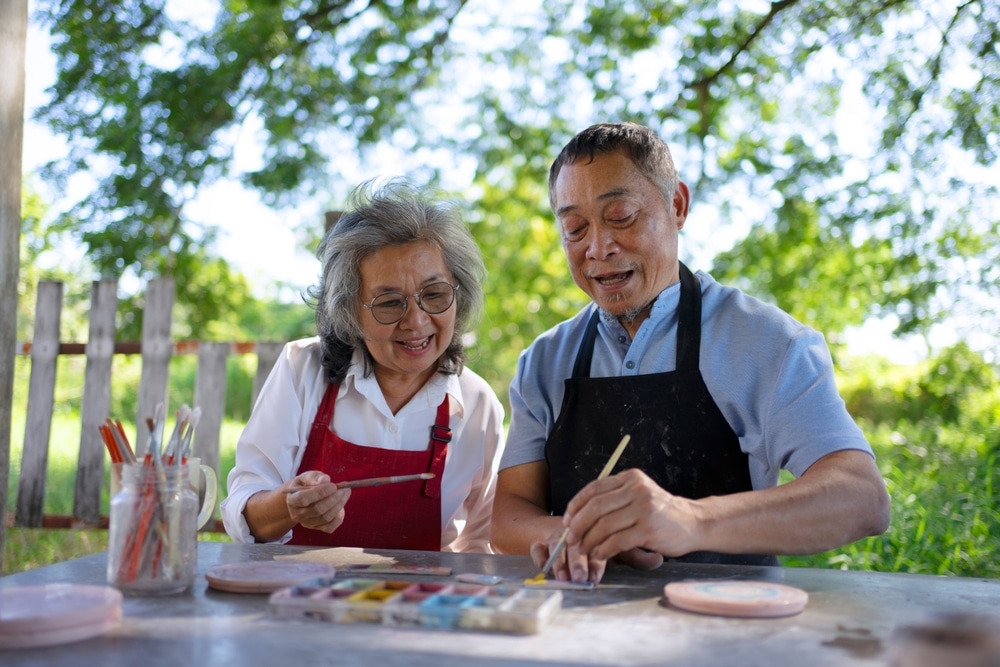
Best for: Group workshops, creative expression and relaxed social activities.
Difficulty: Easy to medium.
Adaptation tip: Use stencils, sponge brushes, thicker-handled paint brushes or simple themes for anyone who feels unsure about painting freehand.
These activities work well in groups while still giving people the freedom to do things their own way. Some might follow a theme or use stencils for guidance, while others simply work at their own pace. They’re a good fit for relaxed settings like retirement villages, community centres, or casual family get-togethers.
Nature-Inspired Crafts
6. Decorated Birdhouses
Best for: Garden lovers, outdoor displays and seniors who enjoy watching local wildlife.
Difficulty: Easy to medium.
Adaptation tip: Choose pre-assembled birdhouses and decorate with paint, stickers or simple patterns rather than requiring building or tools.
Painting or decorating birdhouses is an enjoyable project that continues to provide enjoyment long after the craft session is over. Once complete, birdhouses can be placed outdoors to attract local wildlife. Many seniors enjoy watching visiting birds from their garden, patio, or balcony.
7. Pressed Flowers
Best for: Nature lovers, card making, bookmarks and gentle memory-based projects.
Difficulty: Easy.
Adaptation tip: Use larger flowers or leaves, pre-pressed flowers or tweezers with easy-grip handles if small items are hard to manage.
Pressed flowers are a simple, traditional craft with a lot of charm. Flowers can be gathered on a walk, pressed between the pages of a book, then later used to make cards, bookmarks or framed pieces. It’s an activity that naturally combines creativity with time spent outdoors.
8. Painted Plant Pots
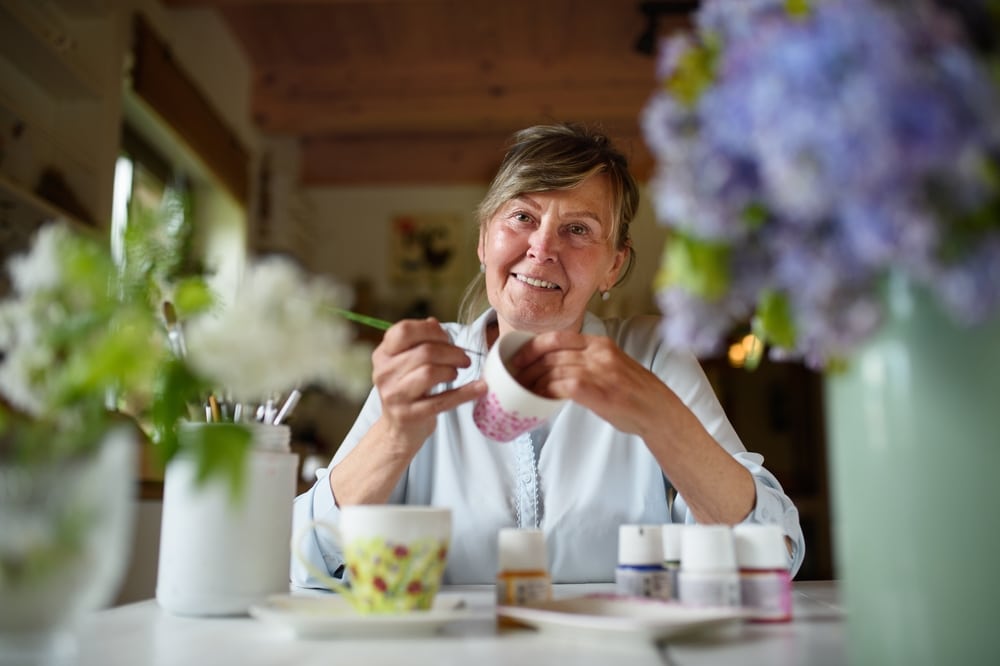
Best for: Gardeners, balcony spaces, indoor plants and practical decorative projects.
Difficulty: Easy.
Adaptation tip: Use lightweight pots, broad brushes and simple patterns to make the activity easier for seniors with hand pain or reduced grip strength.
Painting terracotta plant pots is a simple way for seniors to be creative while making something useful. Once finished, the pots can be used for herbs, flowers or indoor plants, and the bright colours can add a bit of character to balconies, patios or garden spaces.
9. Terrariums
Best for: Seniors who enjoy gardening but have limited outdoor space.
Difficulty: Easy to medium.
Adaptation tip: Use a wide-mouth glass container, larger stones and low-maintenance plants to make the project easier to assemble and care for.
Creating a terrarium is a fun way to bring a bit of the outdoors inside. With a glass container, some stones, soil and small plants, seniors can put together a miniature garden that doesn’t need much upkeep. They’re a great option for anyone who enjoys gardening but doesn’t have much outdoor space.
10. Painted Rocks
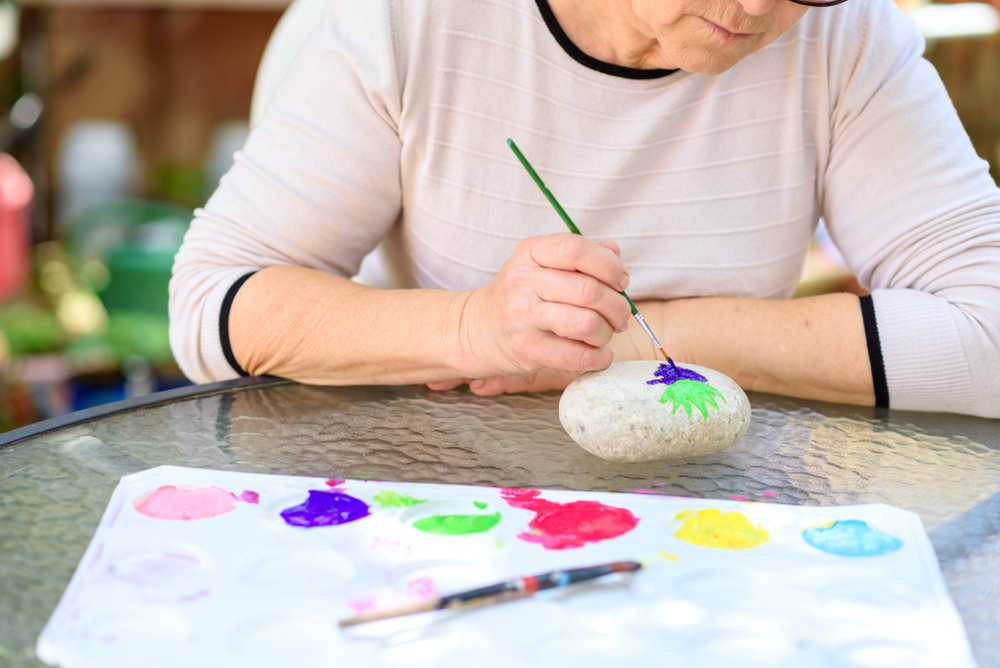
Best for: Group activities, beginners, garden decoration and low-cost craft sessions.
Difficulty: Easy.
Adaptation tip: Choose larger, smooth rocks and use paint pens or easy-grip brushes for better control.
Painted rocks are a simple, low-cost craft that suits just about any skill level. Seniors can decorate them with patterns, animals, messages or colourful designs, then place them around the home or in the garden. They’re also a popular group activity because everyone can take part, no matter their experience.
Textile, Paper and Decorative Crafts
11. Fleece Tie Blankets
Best for: Practical gifts, charity projects and seniors who prefer no-sew crafts.
Difficulty: Easy to medium.
Adaptation tip: Pre-cut the fleece strips before the activity if tying knots for a long period may be tiring.
Fleece tie blankets are a no-sew alternative to traditional sewing projects. They are soft, practical, and simple to make, rendering them a great option for seniors with limited sewing skills. Many people choose to donate completed blankets to charities or community groups.
12. Paper Flowers
Best for: Decorative projects, seasonal displays and low-cost craft sessions.
Difficulty: Easy.
Adaptation tip: Use pre-cut petals, tissue paper or larger templates to reduce detailed cutting.
Paper flowers are easy to make and work well for decorations, gifts or seasonal displays. By playing around with different colours and designs, they can be turned into lasting arrangements. Unlike fresh flowers, they don’t wilt, so they can be kept and enjoyed all year.
13. Homemade Soaps and Bath Salts
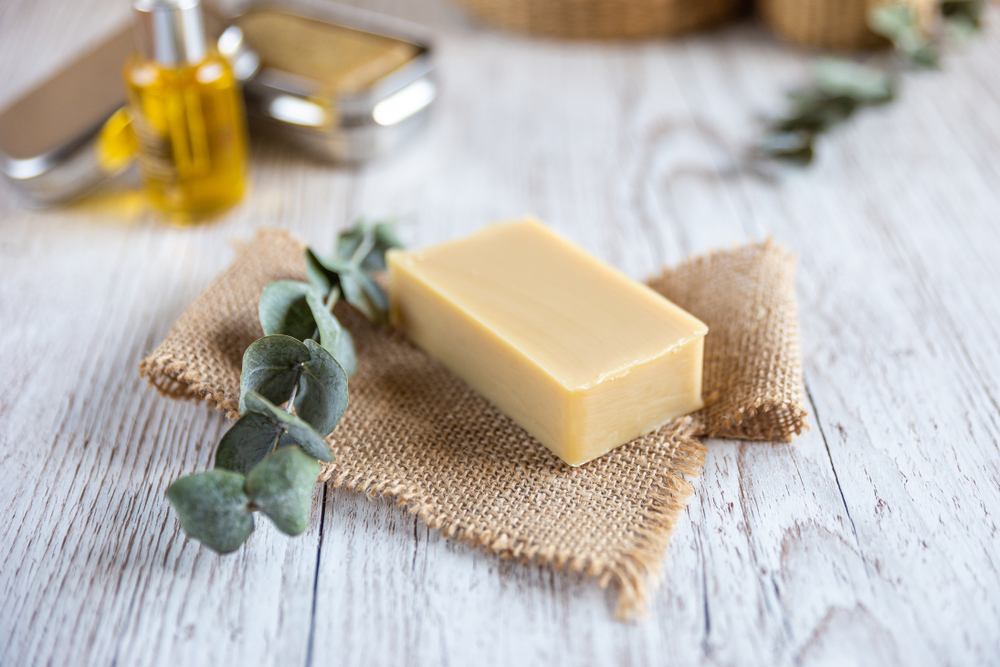
Best for: Gift making, sensory activities and seniors who enjoy practical crafts.
Difficulty: Medium.
Adaptation tip: Avoid strong scents, hot ingredients or complex steps unless support is available. Pre-measured ingredients can make the activity easier.
Making homemade soaps or bath salts is a practical craft that yields products you can use at home or give as gifts. Many seniors also enjoy trying different scents, colours and packaging for their creations.
14. Woven Paper Baskets
Best for: Recycling projects, decorative storage and seniors who enjoy paper crafts.
Difficulty: Medium.
Adaptation tip: Use wider paper strips and prepare the strips in advance for anyone with limited hand strength or dexterity.
Paper baskets are a simple recycling project that turns old magazines, newspapers or craft paper into decorative storage containers. It’s an easy way to repurpose materials that might otherwise be thrown away.
15. Colouring Books

Best for: Relaxation, quiet activities, beginners and low-mess craft sessions.
Difficulty: Very easy.
Adaptation tip: Choose large-print designs, thicker pencils, good lighting and high-contrast colours for seniors with reduced eyesight.
Adult colouring books are still one of the most popular craft activities for seniors. They’re easy to pick up and don’t require any special skills or equipment, which makes them appealing to many people. Most importantly, they offer a quiet, relaxed way to be creative, with many books designed using larger, easier-to-see patterns.
Real-life example: Colouring is often used as a quiet activity during slower parts of the day. It’s repetitive and calming, which helps many people stay focused without needing instructions or setup.
16. Quilting
Best for: Memory projects, long-term hobbies and seniors with sewing experience.
Difficulty: Medium to advanced.
Adaptation tip: Start with small lap quilts, memory squares or pre-cut fabric pieces instead of large, complex quilts.
Quilting brings together creativity and personal memories, and it often turns into something people talk about as much as they work on it. Memory quilts made from old or meaningful fabrics tend to carry a bit of history. In some families, they’re kept for years and eventually passed down to the next generation.
17. Decoupage
Best for: Decorating boxes, trays, frames and small household items.
Difficulty: Easy to medium.
Adaptation tip: Use larger paper pieces, soft brushes and lightweight objects to make the activity easier to handle.
Decoupage involves decorating items with cut-out pieces of decorative paper and sealing them with a protective finish. It can be used on boxes, frames, trays or small pieces of furniture. It is an easy way to turn everyday objects into something more personal and decorative.
Decoupage is a simple craft that involves decorating items with cut-out pieces of decorative paper and sealing them with a protective finish. It can be used on things like boxes, frames, trays or even small pieces of furniture. It’s an easy way to turn everyday objects into something a bit more unique.
18. Knitting Projects

Best for: Long-term hobbies, charity projects and seniors who enjoy repetitive handwork.
Difficulty: Medium.
Adaptation tip: Use larger needles, soft yarn and simple patterns for scarves, squares or lap blankets.
Knitting is a classic craft that many seniors continue to enjoy. It can be picked up at different skill levels and used to make things like scarves, blankets, hats and other practical items. Its steady, repetitive nature is often what people find most calming and satisfying.
Real-life example: In aged care and retirement settings, knitting often becomes something people do together as part of a daily or weekly routine. Projects like blankets or baby garments are gradually made over time and are often donated to local charities or community groups.
19. Crochet Projects
Best for: Smaller textile projects, lap blankets, shawls and seniors who prefer using one hook.
Difficulty: Medium.
Adaptation tip: Use larger crochet hooks, soft yarn and simple stitch patterns to reduce hand strain.
Crochet has a lot in common with knitting, but it uses a different set of techniques. Many seniors start with smaller projects like scarves, shawls or lap blankets, which are easier to manage. For some people, crochet can also feel more comfortable than knitting, especially if they find knitting needles tricky to handle.
20. Suncatchers
Best for: Window decorations, colourful displays and simple group projects.
Difficulty: Easy.
Adaptation tip: Use simple templates, pre-cut shapes or larger transparent pieces for easier handling.
Suncatchers are colourful decorative projects that look beautiful when displayed near a window. They can be created using transparency film, glass gems, paint, or other simple craft materials. When sunlight shines through them, they create colourful reflections throughout the room.
Dementia-Friendly Crafts For Senior Citizens
The best crafts for seniors with dementia are usually familiar, simple and low-pressure. The activity should focus on enjoyment, routine, sensory engagement and conversation rather than a perfect finished result.
Choose crafts with clear steps, safe materials and room for help from a family member, carer or activity coordinator. If a task becomes frustrating, simplify it or switch to a more familiar activity.
| Activity | Why It Works | Adaptation Tip |
| Colouring Books | Relaxing and easy to complete | Use large images and fewer colour choices. |
| Painting | Encourages creative expression | Use broad brushes, simple shapes or sponge painting. |
| Scrapbooking | Promotes reminiscence | Use a small number of familiar photos at a time. |
| Picture Frames | Familiar and personal | Use stickers, pre-cut shapes or safe glue. |
| Memory Collages | Supports conversation | Choose familiar people, places or themes. |
| Simple Knitting | Repetitive and calming | Keep projects small and avoid complex patterns. |
How Can Crafts Help Seniors Stay Socially Connected?
Crafting naturally brings people together. Whether participating in a community group, a nursing home activity session, a retirement village workshop, or a family gathering, craft projects create opportunities for conversation and shared experiences. Many seniors also enjoy teaching others their skills, which can provide a valuable sense of purpose and connection among generations.
Real-life example: Craft sessions often become intergenerational activities during school holidays, where simple projects like card-making or painting are shared by grandparents and younger family members. These shared sessions tend to become recurring family traditions.
Practical group craft ideas for seniors include:
- Family card-making afternoon
- Retirement village craft circle
- Nursing home painting session
- Intergenerational school holiday craft day
- Charity knitting group
- Memory scrapbook session with family photos
Essential Craft Supplies for Seniors
Keeping a small collection of senior-friendly craft supplies on hand makes it easier to start simple projects without too much setup. Useful supplies include:
- Large-handled scissors
- Easy-grip paint brushes
- Coloured paper and cardstock
- Craft glue
- Acrylic paints
- Markers and coloured pencils
- Magnifying lamp
- Storage containers
- Stickers and embellishments
- Pre-cut craft materials
Crafting can also be a gentle way to preserve meaningful belongings during a life transition. When a senior is downsizing, moving into supported care or sorting through long-held family items, photos, fabrics, letters and keepsakes can sometimes become scrapbooks, memory collages or framed pieces rather than being packed away.
If your family is preparing a home during a move into care or a major downsizing transition, Property Clearance can provide respectful support with sorting, preparation and property clearance.
FAQs: Craft Ideas For Seniors
Some of the best craft activities for seniors include colouring books, scrapbooking, painting plant pots, handmade greeting cards, knitting, crochet, and paper crafts. The best choice depends on the person’s interests, eyesight, dexterity and confidence level.
Crafts can be suitable for seniors with dementia when the activity is simple, familiar and low-pressure. Colouring, painting, memory collages, decorating picture frames and simple scrapbooking can support routine, conversation and creative expression.
Easy crafts for seniors in nursing homes include colouring books, painted rocks, paper flowers, memory scrapbooks, greeting cards, suncatchers and decorating picture frames. Choose low-mess activities that do not require sharp tools, strong smells or complex instructions.
Craft activities can help elderly people stay mentally engaged, use fine motor skills, relax, socialise and enjoy a sense of purpose. Group crafts can also create opportunities for conversation and shared memories
Large-handled scissors, easy-grip paint brushes, thicker markers, good lighting, magnifiers, pre-cut materials and organised storage containers can make crafting easier and more enjoyable for seniors.
Easy craft ideas for seniors with arthritis include colouring books, collages, painted rocks, picture-frame decorating and paper-flower projects. Choose larger tools, pre-cut materials and shorter sessions to reduce hand strain.
Good group craft activities for seniors include card making, painting sessions, quilting circles, scrapbooking, painted rock projects and seasonal craft workshops. The best group activities are simple to explain, easy to share and flexible enough for different skill levels.
Yes. Craft activities such as scrapbooking, memory collages and decorating picture frames can help preserve meaningful photos, letters and keepsakes during downsizing or a move into care. They can turn important belongings into something visible and comforting.
Low-cost craft ideas for seniors include handmade cards, collages, painted rocks, colouring pages, paper flowers, bookmarks and simple scrapbooking. Many of these can be made with paper, recycled materials, old photos, magazines or basic craft supplies.
Good craft ideas for elderly people with limited eyesight include large-pattern colouring books, simple painting, tactile collage, knitting with thicker yarn, large-bead projects and decorating picture frames. Good lighting, high-contrast colours and larger materials can make the activity easier.
About the Author
This article was written by Jude Morton, an experienced property professional specialising in styling, management and renovation. With qualifications as a Property Manager, Real Estate Agent and Buyer’s Agent, Jude has managed high-value properties and brings practical, real-world insight to preparing homes for sale. Through her work in property preparation, downsizing and home transitions, Jude brings practical insight into the decisions families often face when an older loved one is moving into supported care, retirement living or long-term aged care.
Connect with Jude: LinkedIn
Disclaimer
This article provides general craft ideas and practical guidance for seniors, families and carers. Every person’s mobility, eyesight, memory, dexterity and health needs may be different. Choose activities that suit the individual’s ability level, and seek advice from a healthcare professional, occupational therapist or care team if an activity may create strain, distress or safety concerns.
Trusted Sources
The information in this guide should be supported by specific Australian health, dementia and aged-care activity resources.
- Dementia Australia – https://www.dementia.org.au
- Australian Institute of Health and Welfare (AIHW) – https://www.aihw.gov.au
- Australian Government Department of Health and Aged Care – https://www.health.gov.au
- Aged Care Quality and Safety Commission – https://www.agedcarequality.gov.au
- Department of Health and Aged Care – https://www.health.gov.au/topics/aged-care